There has been a lot of discussion about a return to a traditional weather pattern this year. I'm certainly pleased that October is looking like the busiest sales month this year, that means the season follows our plan and that means we have stock available when we need it. Happier retailers and less waste for us.
The return to traditional seasonality however reminds me of growing problems we have almost forgotten. This week I'm particularly thinking of Black Spots on Tomatoes. With the dry and relatively warm, early seasons we have experienced over an extended period we have rarely seen any sign of Black Spots with yellow margins on Tomato leaves for the best part of 10 years. They have made a return this year.
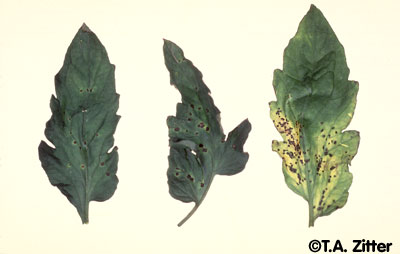
I think we have managed the crops well but the weather conditions have made it more prevalent so we have dumped a few batches of stock, particularly Tiny Tim. In other years Roma has been a concern. Some retail customers have reported outbreaks. I am happy to share responsibility for the first outbreak with a garden centre customer but after that our response is buyer beware. This is a disease that is too common for us to accept every casualty.
So how is it best controlled? When I first started growing Tomatoes all we knew was to spray with Copper. Kocide, Copper Oxichloride, Copper Curit, Bordeaux mix. These are all preventative fungicides that coat the foliage of the plant to keep the Bacteria out. The effectiveness was was limited at best. In the nursery, cultural controls are most effective. Hy gene is critical, dump any plants showing signs of disease and treat the growing area with chlorine solution. Sporekill is a product we use regularly but dilute house hold disinfectant will do perfectly well. We have found that using Sporekill at very dilute rates we can mix with a Copper fungicide to cleanup an outbreak if we get in early (often hard to do because this disease will spread very rapidly). Growing on benches is also ideal as it limits the ability of the disease to splash about in irrigation water.
The other tip I picked up from Peter Wood (Woodlyn Nursery) be careful with fertilizer. If we use a blended fertilizer with a high Nitrogen ratio the plant cells become very soft and susceptible to disease infestation. Using a balanced Nitrogen (N):Potassium (K) ratio, even a higher Potassium to Nitrogen ratio is good. This toughens up the cell walls and keeps the bacteria out. We use a blended liquid fertilizer: Campbell's Diamond White, it works remarkably well.
Anyway, hopefully from now on the weather will warm up and the problem becomes less acute. Ha Ha, I've just read the weather forecast! Keep warm, good luck at the Cup.
A couple of weeks back I was bailed up while delivering. Caz at Burdett's
Nursery wanted to know if we grew 'Round' Zucchini? As it happens we had tried to introduce a variety called Black Max ('Ronde de Nice' style. Can't get that OP seed but I wish we had used that name on the label... Sooo
French) in 2009 but having prepared labels we couldn't source seed. This year we found some seed, duly sowed it and sold none! Admittedly this was during that diabolical September when nothing much was moving. Kaye warned me that they were not moving so we gave away quite a few trays just so garden centres could test the market. Not a bad strategy because we have sold the rest of the plants grown pretty well, not as popular as Black Jack by any stretch but a worthy introduction to our range.
 So back to Caz. Caz is clearly a foodie, she rattled off two recipes and expected me to absorb the information on the spot. Incapable of absorbing much more than I'm hot or I'm cold I offered Caz a free tray of Round Zucchini with her next order, in exchange for the recipes in written form. Well here is the first one, if you want the second please email me.
Round Ribbon Zucchini Salad.
2-3 Round Zucchini
1/4 Cup chopped mint
Pinch of salt & pepper
2 table spoons of olive oil
Danish feta (to taste I guess)
Preserved lemon
1/4 cup chopped basil
Table spoon vinegar
Lemon juice (to taste)
Toasted pine nuts
Slice Zucchini ribbon thin. Take the pith out of the preserved lemon, slice thinly and add to the bowl of Zucchini.
Coarsely chop mint and basil and add to bowl. Mix oil, lemon juice, vinegar and salt & pepper. Mix this vinaigrette through the salad.
Top with crumbled feta and toasted pine nuts.
We have tested this recipe at the nursery, it is fantastic!. We cheated at this time of year with bought long Zucchini, mostly because the recipe calls for ribbon slices. The chief culinary value of small round Zucchinis appears to be the individual serving size.
Many thanks to Mark's wife Sam for testing the recipe for us.
So back to Caz. Caz is clearly a foodie, she rattled off two recipes and expected me to absorb the information on the spot. Incapable of absorbing much more than I'm hot or I'm cold I offered Caz a free tray of Round Zucchini with her next order, in exchange for the recipes in written form. Well here is the first one, if you want the second please email me.
Round Ribbon Zucchini Salad.
2-3 Round Zucchini
1/4 Cup chopped mint
Pinch of salt & pepper
2 table spoons of olive oil
Danish feta (to taste I guess)
Preserved lemon
1/4 cup chopped basil
Table spoon vinegar
Lemon juice (to taste)
Toasted pine nuts
Slice Zucchini ribbon thin. Take the pith out of the preserved lemon, slice thinly and add to the bowl of Zucchini.
Coarsely chop mint and basil and add to bowl. Mix oil, lemon juice, vinegar and salt & pepper. Mix this vinaigrette through the salad.
Top with crumbled feta and toasted pine nuts.
We have tested this recipe at the nursery, it is fantastic!. We cheated at this time of year with bought long Zucchini, mostly because the recipe calls for ribbon slices. The chief culinary value of small round Zucchinis appears to be the individual serving size.
Many thanks to Mark's wife Sam for testing the recipe for us.
We are always on he lookout for new varieties to add to our list. Something just a little different, a plant to make our list a little more attractive than the next seedling suppliers. This process needs some caution, only five years ago we had two lettuce varieties on our My Vegie Garden seedling list. We now have 8, if you include Winter Salad. The more variety we offer the more difficult it is to manage the inventory. On the other hand our industry is not alone in discovering that if we offer our consumers a greater range there is a good chance that they will purchase more.
 Like our new label design? Keep it simple, we're very happy with it.
Anyway, we have plenty of ideas for new varieties and plenty of suggestions form friends, customers and seed suppliers. Some are terrific and worth producing new labels for, others are terrific but we know we will never sell enough plants to warrant the production of labels. It's that simple really. This lead to a search for Bantam Corn over the past winter. Great plant, I had planned production but drew a blank when I discovered I could only buy seed in retail packets. However, while I was hunting for Bantam Corn I kept reading about a mini Cos lettuce: Little Gem (follow the link for the best description I have found).
 Click on the image for Little Gem's own blog!
The process of selecting plants goes back and forward amongst our staff and when my Pommie mate Mark heard about Little Gem I got the response I was looking for (we grow Jap Pumpkin because it's my mums favourite). Before emigrating Mark worked in the wholesale vegie industry in Lankashire. Little Gem is the most popular Lettuce in Europe, in Mark's considered opinion. Wildly popular with chefs and foodies for it's sweet flavour and individual serving size. That's the one, just have to source the seed... yes we found a supply. Organic!
We haven't had the chance to grow any out yet but the seedlings make a beautiful punnet (neat and compact) and they have been perfectly well behaved, not showing any signs of disease susceptibility. They are also quick to ripen taking only about 5 weeks which is usually a good sign with Lettuce that they will be easy to care for. A word of warning, don't let them sit in the garden too long, they apparently can get bitter. Turn them over quickly and put in a fresh batch.
Please give Lettuce Little Gem a try and let me know what you think.

